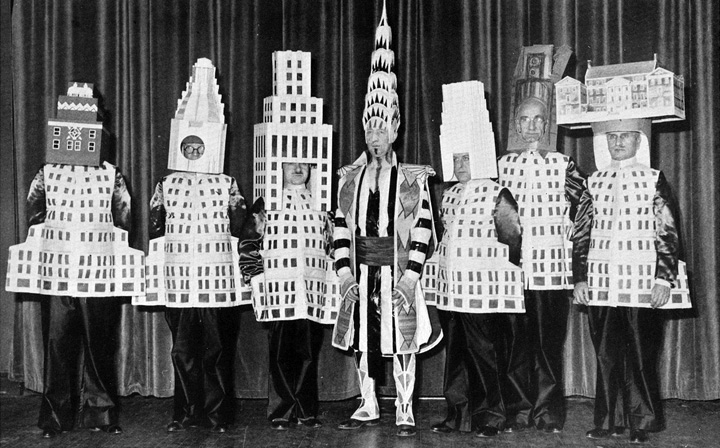
The name sake of our organization is William Van Alen (1883-1954), the Brooklyn-born architect best known for his design of the Chrysler Building. Van Alen was one of the earliest Paris Prize winners and an active SBAA member.
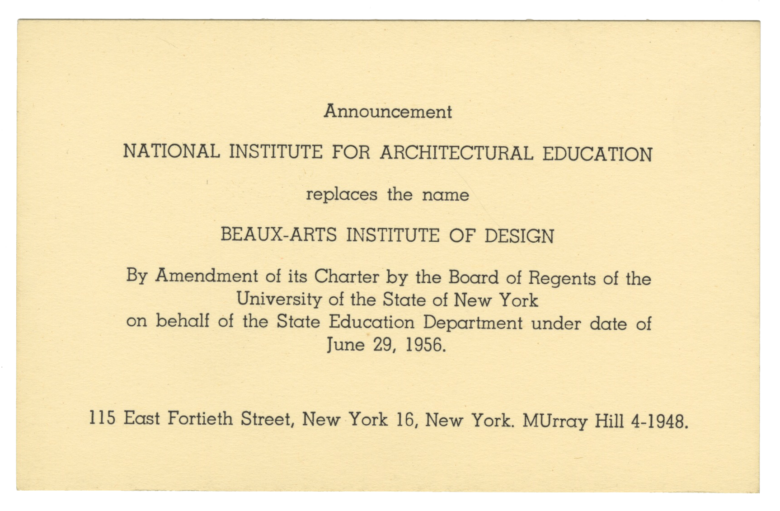
In 1956 the Beaux-Arts Institute for Design was renamed as the National Institute for Architectural Education. The Beaux-Arts had fallen out of favor with the rise of Modernism and the introduction of the Bauhaus to American architecture.
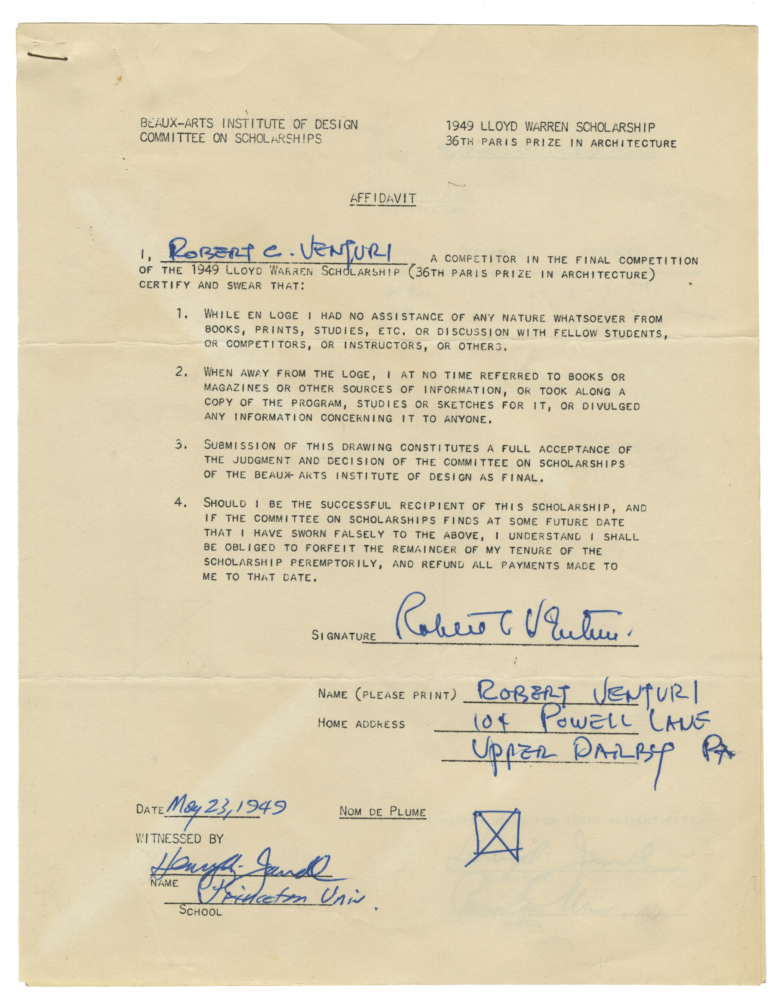
As an institution with over 120 years of history it is not surprising that a few famous names have passed through the doors.
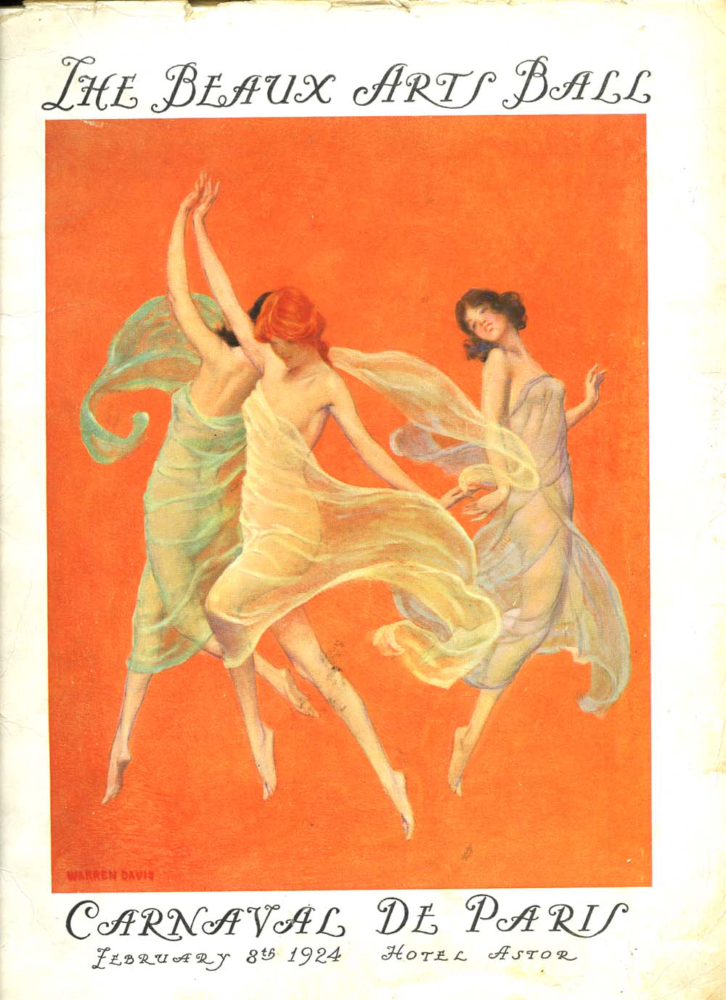
The Beaux-Arts Ball was the SBAA’s annual fundraiser and main source of revenue. The themed party was based on the raucous end of year party at the of the Ecole des Beaux-Arts in Paris, France.

Lloyd Warren (1868-1922) was among the founding members of the SBAA in 1894 and an active member in the early days of the Institution. He founded the Paris Prize in 1904.
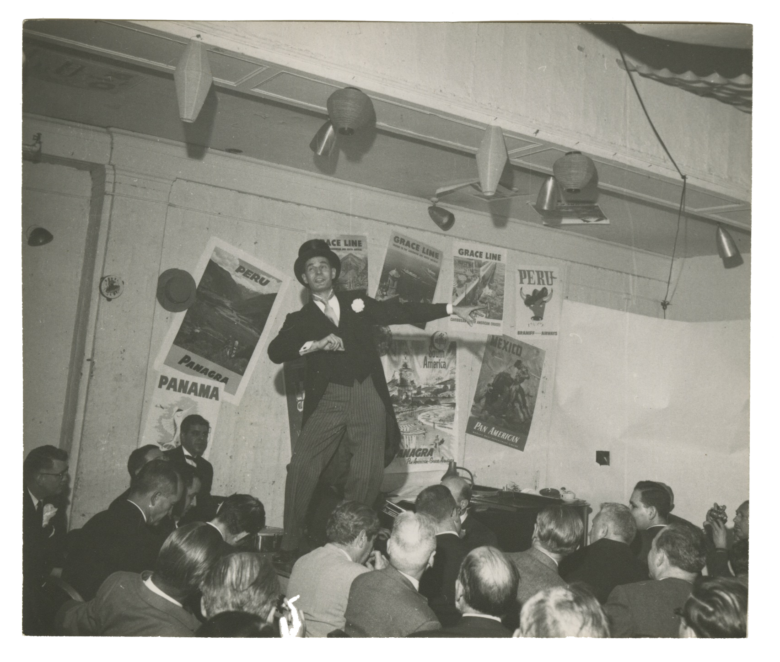
BAID and NIAE members appreciated a good time. Beyond the pedagogical mission, the organization served as a social club for its members

Percival Goodman was the 1925 Paris Prize winner and later became a trustee of the Institute. He credits his time in Paris as one of the great formative experiences of his life

Starting with the first Paris Prize recipient in 1904, fellows were required to send back monthly reports. This tradition continued through to the William Van Alen Prize and the Dinkeloo Traveling Fellowship.These letters back are our best record of the experience and travel itinerary of winners over the years.

In its earliest days, the Society of Beaux-Arts Architects was somewhat unusual as an organization in that its education programs were open to everyone, so it is conceivable that a woman could have won the Paris Prize, though it didn’t happen.

There has been a thread of interest in urbanism since the Institutes’ early days. However, it did not really take hold until the 1960s when the Institute moved away from the Beaux-Arts Method and pedagogy to focus on more culturally relevant topics.