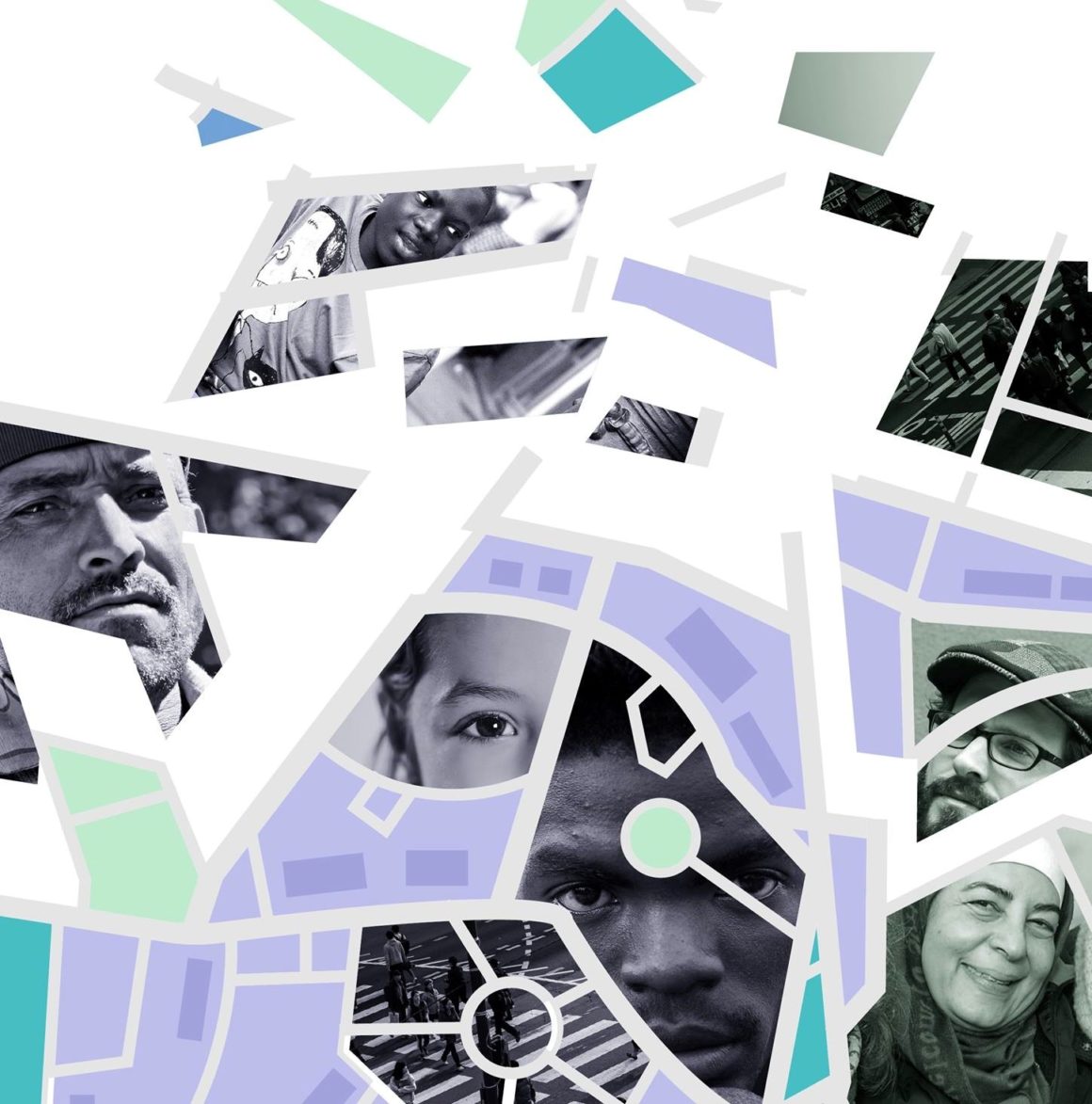
More than one million migrants and refugees entered Europe in 2015, helping to spark a global debate about how inclusive societies can and should be. Cities have led the way in adapting to new arrivals, but some have been more successful than others. What are the policies and best practices that help cities integrate new and long-term residents?
Through six case studies drawn from across the EU, this international seminar organized by the Paris-based global urban development network INTA, will share sustainable and effective solutions for city leaders and other key stakeholders to create a more inclusive urban fabric – economically, culturally, and socially. How can the city evoke a feeling of urban belonging and attachment for new arrivals? How can municipalities foster migrant entrepreneurship to provide alternative pathways to self-supported income? What strategies can help overcome prejudices and social and economical fears?
Session 1: Time – From Emergency to Sustainable Policies
Malmö – Sayaka Osanami Törngren, Researcher, Research Institute for Studies of Migration, NIEM-Project
Munich – Anne Gueller-Frey, Member of the Integration Council Bavaria, IQ Network MigraNet
Session 2: People – Facilitating Mutual Understanding of Cultures
Gothenburg – Daniela Ölmunger, Project manager of One Stop Future Shop, City District of Västra Hissing
London – Markus Skinner, International Rescue Committee, Humanitarian Aid Organisation
Session 3: Space – Temporary Urbanism & Infrastructure Development
Thessaloniki – Dina Rokic, Deputy Director, Elpida Home
Paris – Maïté Pinchon, Lʼassociation Quatorze social and solidarity architecture